Happy First Birthday!
Hi, Dear Reader!
Just to note that we have had an exceptional first year!
More to come …
Thank you!
Hi, Dear Reader!
Just to note that we have had an exceptional first year!
More to come …
Thank you!
Espressif announced on 05/11/2015 the upcoming ESP32 chip: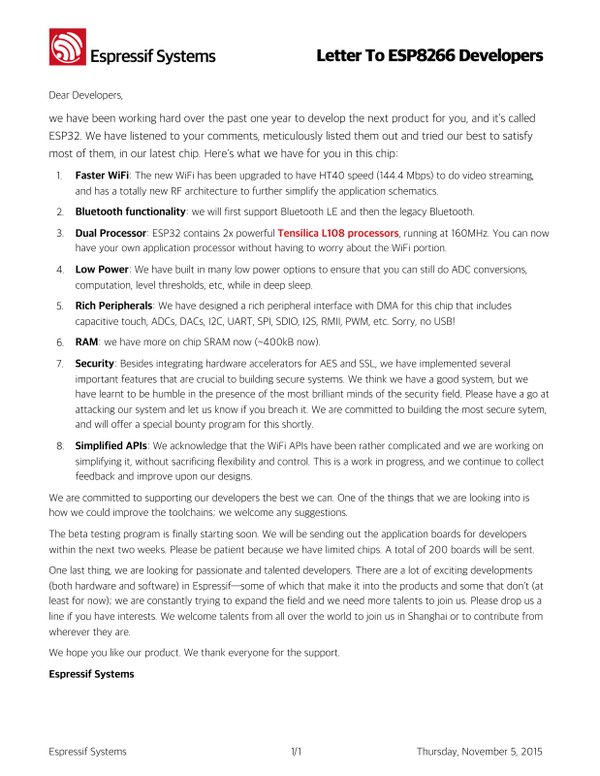
While the specs are impressive a lot of questions a rise :
Beta testing program is coming soon.
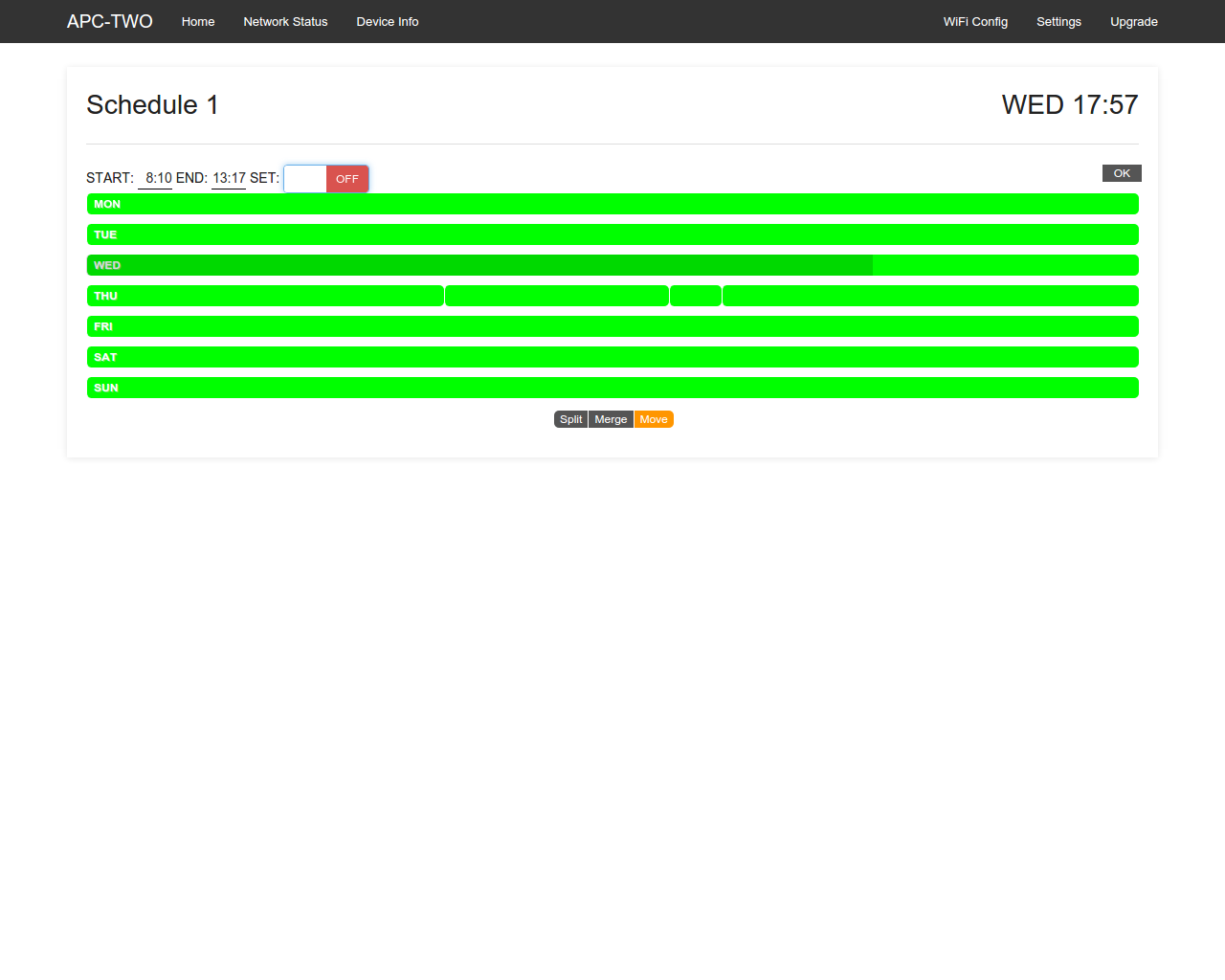
A Teaser of What to expect from our upcoming WiFi connected 2 channel relay board.
Web UI of the relay board
Main control screen and part of the configuration
Main control screen
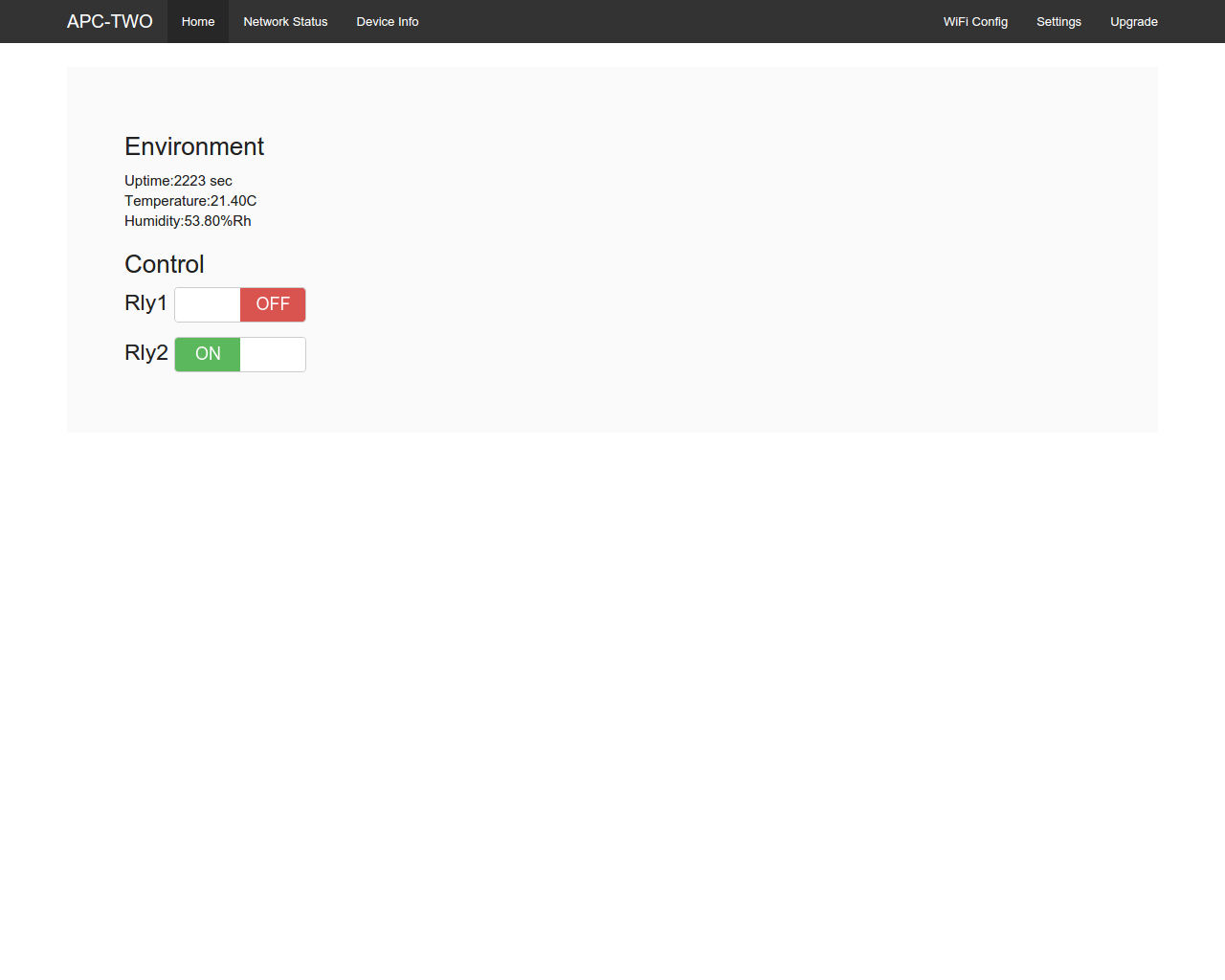
Part of the configuration
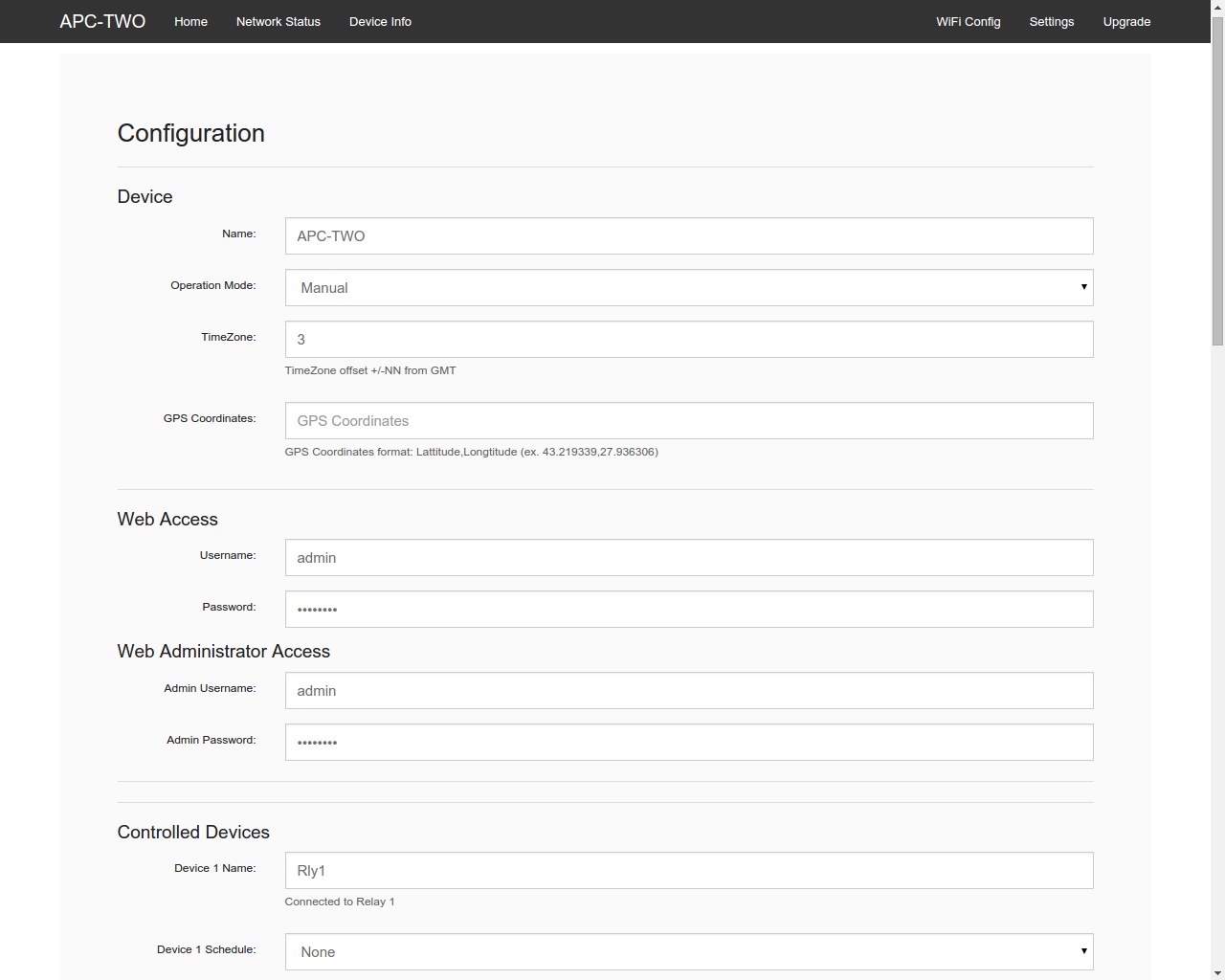
Schedule editor
There are some products on the market of smart thermostats/controllers that rely on knowing the user Geo Location to act “smart” – is this really smart?
When user is at given location there are several methods to figure it out:
Active:
Passive:
All above are good if you do not need an extra time to react and that’s the problem. You can shutdown all the lights when no one is present.
While working on a secure cloud for the gang of the esp8266 based devices we are developing we need SSL – real and secure.
And this August is the month of the SSL issues , it seems , but thankful to the Espressifs’ quick support they are on the way out.
The latest SDK v1.3.0 introduced a bug that simply didn’t call the disconnect callback of esp connections under some circumstances and that in turn leaked memory. It’s not clarified but the case was when you had a tcp listener and ssl connection after the ssl connection is over, your tcp listener connections did receive disconnect callbacks anymore. You can get the fix from bbs.espressif.cn
Hi,
I have signed the IoT Design Manifesto – if you are into IoT. You should too.
Here is the link Sign The Manifesto.
These are the highlights of it:
During the past weeks i’ve worked on getting the FOTA upgrades work on the 2MB boards by Olimex.
The wonderful esp-link project by Thorsten von Eicken was a great example of two things:
It was a nice example to start with.
So after a lot of fiddling with Makefiles, cgi routines and esptool – i’ve finally got the OTA working.
Engineering Internet Of Things Secure network for our upcoming IoT service.
Goals:
Threats:
Security:
So Why AES?
Which goes where – when using a bootloader for FOTA.
The files:
When developing IoT applications with the ESP8266, two key requirements immediately become apparent: you need sufficient flash memory for your application and firmware, and you need a board that fits comfortably on a breadboard for prototyping and testing.
I faced this challenge and needed to evaluate my options. Soldering additional flash chips onto bare ESP8266 modules wasn’t practical, so I researched alternative boards:
The winner: Olimex’s MOD-WIFI-ESP8266-DEV